
Global Risk Forecast: Q2 2026 — The Season of Friction
Q2 2026 will be characterized not by a single defining crisis, but by the convergence of multiple, interdependent pressures across geopolitical, cyber, and environmental domains.
Forecasting Friction: When Predictions Meet Reality
As Q1 2026 concludes, early developments are aligning closely with RMS International’s Global Threat Forecast, reinforcing a security environment defined by converging geopolitical tensions, infrastructure fragility, and emerging technologies.
The Narrows of the Arabian Peninsula
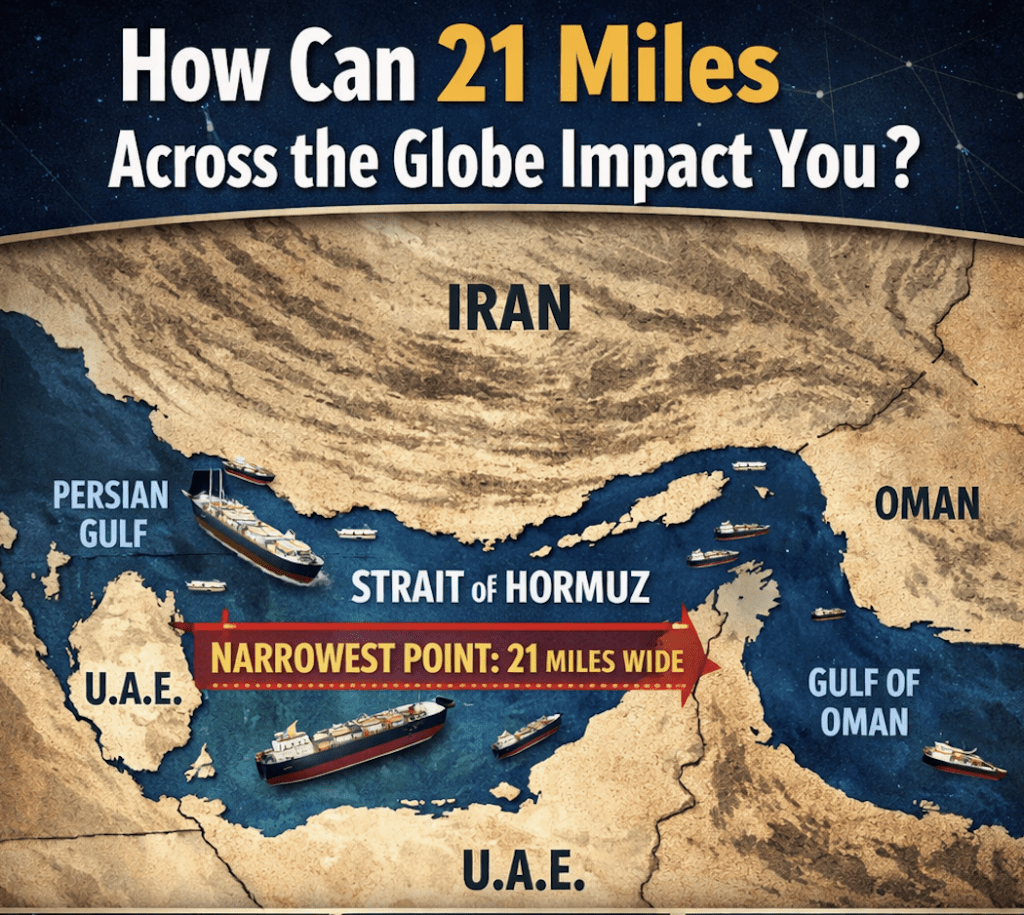
The Strait of Oman becomes a growing 2026 flashpoint as Iran, Gulf states, and non-state actors are turning this vital maritime corridor into a zone of rising risk.
Epic Fury, Domestic Ripples
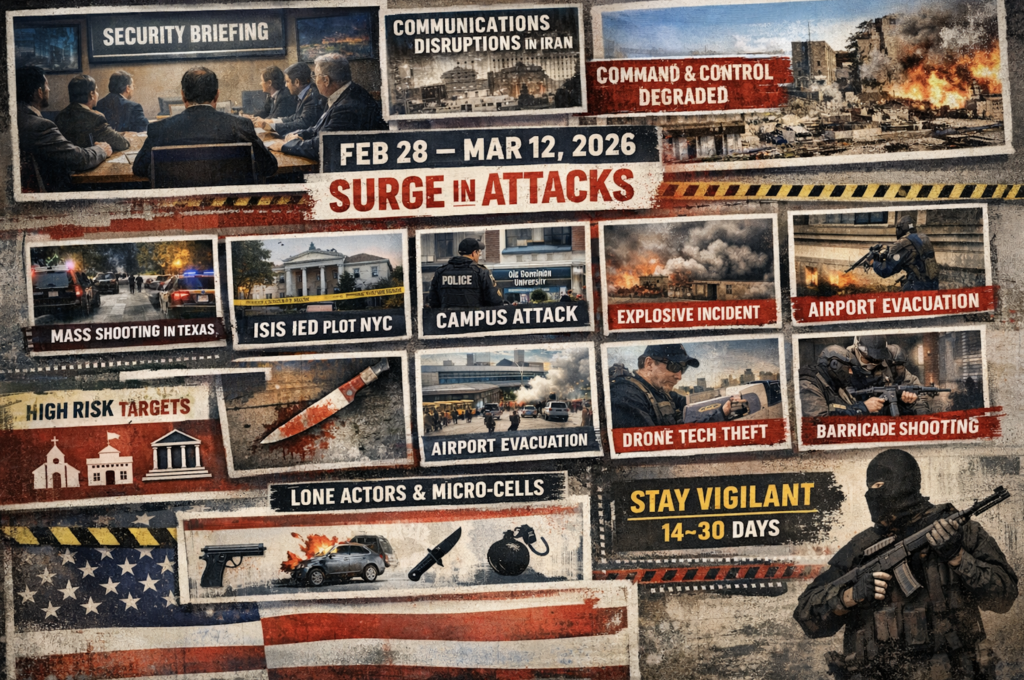
At a closed-door counterterrorism briefing, experts assessed that retaliation from Iran following Operation Epic Fury would likely be delayed due to communications disruptions, internet outages, and infrastructure damage inside Iran. Analysts initially believed the regime’s degraded command-and-control limited its ability to coordinate proxy attacks, potentially delaying retaliation against the United States (US) homeland by at least one month or longer. However, between 28 February and 17 March 2026, the US experienced at least nine security incidents involving lone actors or small cells.
Persian Pressure: Tehran’s Options for Payback
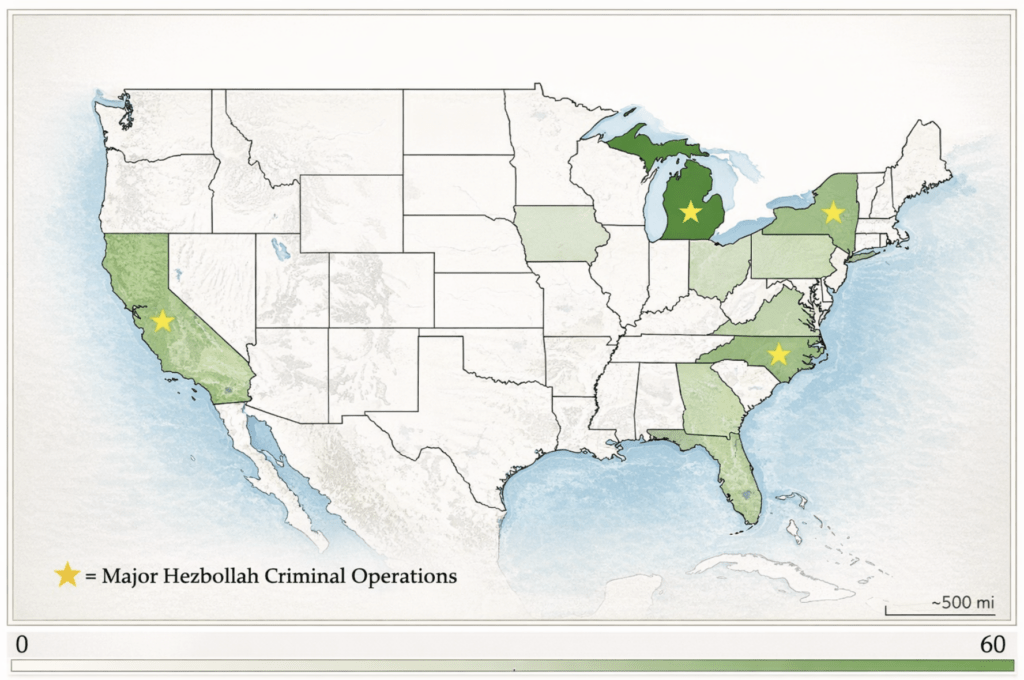
Iran rarely declares war. It retaliates in the shadows—proxies, cyber strikes, and deniable attacks that remind the homeland it isn’t beyond reach. Don’t expect Iran’s retaliation to look like war. Expect proxies, hacks, intimidation, and strikes designed to haunt the homeland.
Situation Report: Cartel Violence in Mexico (Cutoff: 1200 ET, 24 Feb 2026)
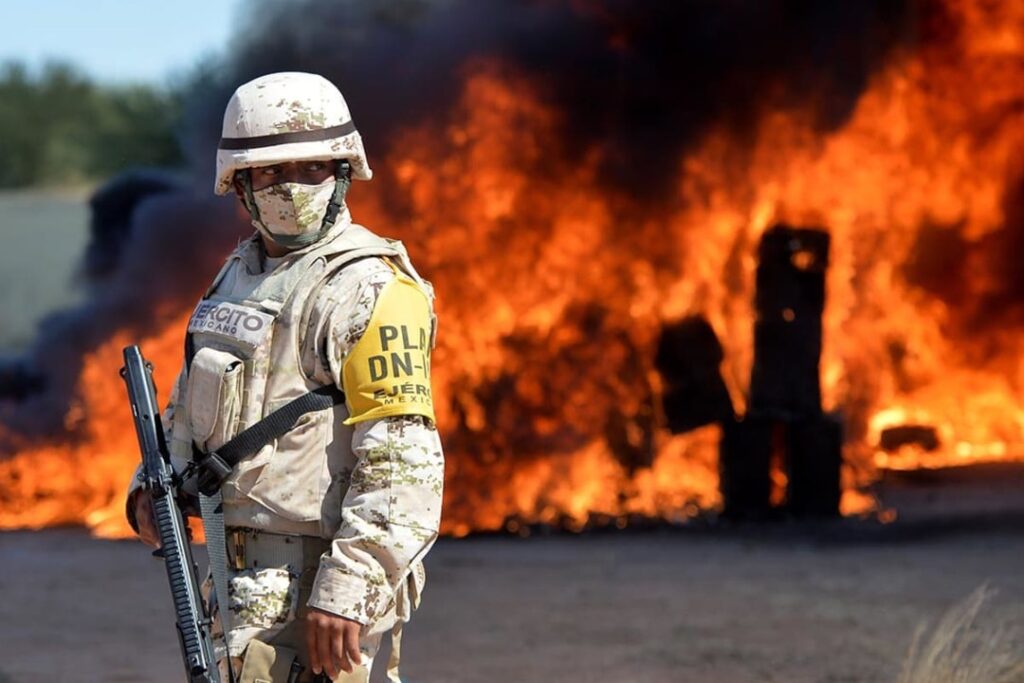
The reported killing of CJNG leader Nemesio Rubén Oseguera Cervantes (“El Mencho”) in a Mexican special forces operation in Jalisco on 22 Feb 2026 triggered a rapid, coordinated retaliation pattern—narco-bloqueos (road blockades with burned vehicles), armed attacks on security forces, and localized clashes—with the epicenter in Jalisco and spillover effects into neighboring states; near-term risk is elevated for highways, security installations, and symbolic targets, with intermittent transport disruption and a credible possibility of follow-on reprisals as CJNG manages succession and signals capability.
Maritime Fault Lines in the Americas and the Quiet Currents of Increasing Conflict

US–Venezuela tensions escalate as the Caribbean becomes a maritime battleground, with the US targeting narco-state vessels and reshaping regional security.
Africa’s Two Roads Out of Beijing

China builds influence in Africa through massive infrastructure projects as the US pushes global de-risking—leaving Africa balancing both powers.
RMS International: Global Threat Assessment — Q4 2025

Major interstate wars and protracted high-intensity conflicts (notably the Russia–Ukraine war and the Israel–Gaza war) will remain the primary drivers of acute humanitarian crises, regional instability, and global political polarization through Q4 2025. Continued kinetic operations, strikes on infrastructure, and large population displacements will sustain refugee flows, food-security shocks, and pressure on regional states and humanitarian organizations.
Kyiv-ing Peace a Chance: After-Action Report on Recent US, Russia, and Ukraine Summits

On August 15, 2025, the Joint Base Elmendorf-Richardson in Anchorage, Alaska hosted the Trump–Putin summit, marking the Russian leader’s first visit to US soil since 2015.